
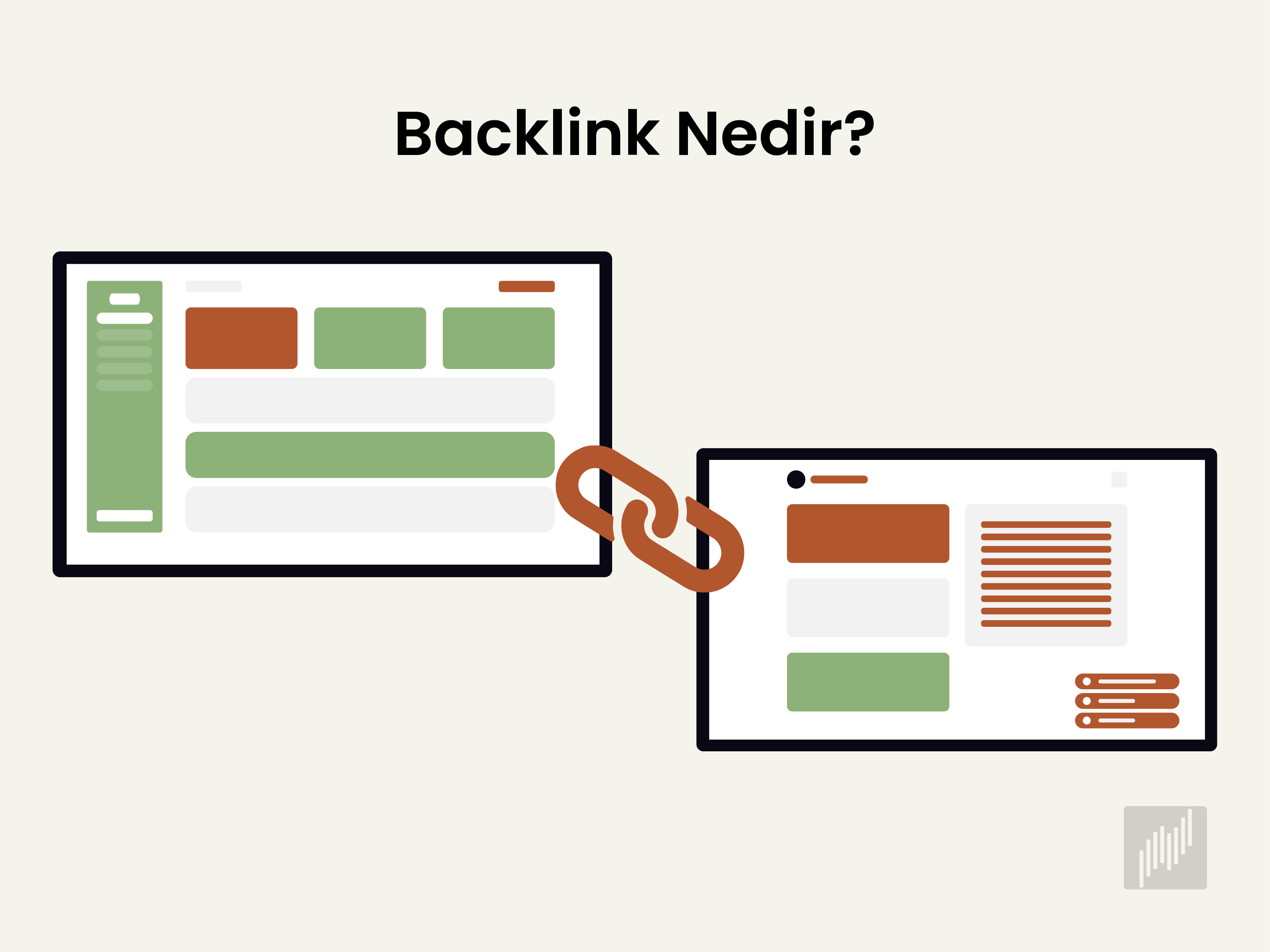
A backlink is a hyperlink placed on one website that points to another. Search engines read each of these links as a signal of trust, using the quantity, quality, and relevance of a page's links to judge how authoritative it is. Links from reputable, topically related sources strengthen a page's ability to rank and send referral visitors, while links bought in bulk or planted on unrelated, low-quality sites can trigger ranking losses or manual penalties. The number-one result in Google carries 3.8 times more backlinks than the pages ranked below it, which is one reason link building sits at the center of most organic growth strategies.

What Are Backlinks and Why Do They Matter?
A backlink is an incoming link from one website to another, and search engines treat it as a vote of confidence. The number, quality, and topical fit of these links help Google judge a page's authority, its ranking potential, and the referral traffic it earns.
Backlinks are the external links a website receives from other websites. In search engine optimization they work like a reference, telling Google that the linked page is trustworthy, relevant, and worth citing. A page can gain value both from the ranking signal a link carries and from the visitors that click through it.
The term translates literally as an incoming or inbound link. It behaves like a recommendation system. When one site links to another page, the linking site is effectively vouching for that page in front of search engines.
Google confirmed back in 2016 that content and links were among its strongest ranking signals. More recent comments from Google note that links carry less weight than they once did and that pages can rank without them, yet independent studies still show a clear link between strong profiles and higher rankings. A well planned link structure grows authority and traffic at the same time.
How Do Backlinks Work?
Search engines pass authority between pages through links, a concept rooted in Google's original PageRank algorithm. PageRank treats a link as a transfer of value, so a page with strong authority passes more of that value, often called link equity, to the pages it links to.
The higher a source page's own authority, the more equity it can hand to your page, and this transfer does not lower the linking page's own standing. A single link from a prominent, relevant site can therefore outweigh dozens of links from weak or unrelated pages. Links also help search engines discover new content, since crawlers follow them to reach and index pages they have not seen yet.
The Effect of Backlinks on SEO
The relationship between links and visibility is well documented. Ahrefs studied around 14 billion pages and found that 96.55 percent of them get no traffic from Google, with a lack of links being one recurring cause.
Backlinko's analysis of nearly 12 million search results reached a similar conclusion, reporting that roughly 95 percent of all pages have zero backlinks at all. As the number of unique linking sites to a page rises, its search visibility and visitor count tend to climb in parallel. That pattern is why SEO backlinks remain a core part of any plan aimed at organic growth.

What Are the Types of Backlinks?
Backlinks are grouped by the signal they send to search engines. Dofollow links pass authority, nofollow links act as hints, sponsored and UGC tags flag paid or user posted links, editorial links are earned naturally, and toxic links come from spam sources.
Each type carries a different intent and a different level of SEO influence. Knowing them helps you judge which links to pursue and which to avoid.
Dofollow Backlinks
A dofollow backlink is the standard link that passes authority and is followed by search engines. When a link carries no special rel attribute, which is the small tag in the HTML that describes a link's nature, search engines treat it as dofollow by default. These links carry the most SEO value.
Nofollow Backlinks
A nofollow backlink is marked with a rel="nofollow" attribute and traditionally limits the flow of authority. Since 2019 Google has treated nofollow as a hint rather than a strict instruction, so these links can still influence ranking in some cases. They also drive referral traffic and brand visibility. Across the top 110,000 sites, only about 10.6 percent of backlinks are nofollow.
Sponsored and UGC Backlinks
A sponsored link carries the rel="sponsored" attribute and tells Google the placement was paid for. A UGC link, short for user generated content, uses the rel="ugc" attribute and covers links from forum posts, blog comments, and other user submissions. Both attributes keep a site aligned with Google's spam guidelines.
Editorial Backlinks
An editorial backlink is one an editor or writer adds on their own initiative, with no arrangement in place. This kind of natural link is rewarded with high authority because it reflects a choice to cite your content. The surest way to earn editorial links is to publish original material that others want to reference.
Toxic Backlinks and Hacklinks
Toxic backlinks, sometimes called hacklinks, come from low-quality, unrelated, and spam-filled sites. Signals such as gambling, adult content, hacked domains, and repetitive exact match anchor text place a link in this group. Links that violate Google's spam policies can lead to a manual action or algorithmic ranking loss, so a regular hacklink check on your own site helps catch hidden placements early.
What Makes a Quality Backlink?
A quality backlink comes from an authoritative, topically relevant page, sits inside the main content, and uses natural anchor text. Search engines weigh the source's authority, its relevance to your subject, the link's placement, and how likely a real reader is to click it.
A quality backlink is one placed within the flow of content, from an authoritative and relevant source, using natural anchor text. Several factors decide how much a single link is worth:
Source authority carries the most weight. A link from a well-established, reputable domain counts for more than one from a small, little-known site.
Topical relevance keeps a link natural. A link from a page in your own field looks trustworthy to search engines and sends visitors who are more likely to engage and convert.
Placement inside the main content adds value. A link set high on the page is more likely to be clicked, and links that people actually click tend to pass more value than those buried in a footer.
Natural anchor text, the clickable words a link is attached to, helps search engines read the target page. Descriptive, varied wording works in your favor, while dozens of links using the exact same keyword-rich phrase read as manipulation and can invite a penalty.
Real user value rounds out the picture. A source that delivers genuine value, especially one where your audience already spends time, rewards you in both rankings and conversions.
The table below sets out the difference between a healthy link and a harmful one.
Evaluation Criterion | Quality Backlink | Toxic Backlink |
|---|---|---|
Source authority | High authority, trusted domain | Unknown or penalized domain |
Topical relevance | Page related to your industry | Random, unrelated content |
Anchor text | Natural and varied | Over-optimized exact-match keywords |
Placement | Inside the main content body | Footer or sidebar clusters |
Acquisition | Editorial and organic | Bulk purchase or automation |
Source traffic | Page with real visitors | No traffic or bot-driven |
Spam score | Low spam signals | High spam signals |
How Do You Check and Analyze Backlinks?
Analyzing a backlink profile means listing every link that points to your domain, then reviewing the authority, anchor text, and relevance of each source. Google Search Console offers a free starting point, while dedicated tools reveal referring domains, spam signals, and competitor gaps in more depth.
A backlink analysis starts by pulling a full list of the links pointing to your domain, then scoring each one on source authority, link text, and page relevance. The process should cover both your own backlink profile and those of your competitors, and it works best as a monthly routine.
A backlink audit covers several checks:
Review the number and diversity of the referring domains that point to your site.
Map how your most common anchor text is distributed across your links.
Measure the ratio of dofollow to nofollow links in your profile.
Flag any sources that carry a high spam score.
List the internal pages that attract the most links.
Spot opportunities where rivals hold links that you do not.
Google Search Console gives a free place to begin. Its Links report shows external links, the most linked pages, and the most common link text. For deeper work, a paid backlink checker such as Ahrefs, Semrush, or Majestic reveals referring domains, historical trends, and spam metrics.

Semust Free Link Extractor supports part of this work by listing the dofollow, nofollow, and sponsored links found inside any URL you scan. That view lets you inspect a rival page's outgoing links or map your own page's link structure quickly.
How Do You Measure the Impact of a Backlink?
The value of a link is confirmed at the final stage by ranking and traffic data. With Semust Rank Tracker you can watch the daily position changes of target keywords after new links go live. Pairing that with Semust Search Console Plus reports, where you compare the rise in organic clicks and impressions, turns the return on a link into a number rather than a guess.
How Do You Get Backlinks?
Earning links rests on creating content worth citing, then building relationships that put it in front of the right people. Editorial content, guest contributions, unlinked mention reclamation, broken link building, competitor research, resource pages, media requests, and podcast appearances are among the most durable methods.
The most reliable ways to build backlinks create editorial value rather than buy links in bulk. The aim is to earn placements that are hard to win but long lasting. The approaches below hold up best over time.
Create Link-Worthy Content
The first method is to publish original material others want to cite. Data-led research, industry reports, and detailed guides are the resources journalists and bloggers reach for. A single guide backed by solid data can keep earning natural links for years.
Guest Posting and Contributor Outreach
Contributing a piece to a relevant site earns both brand visibility and a link. Proposing content that fits the host's editorial standards and offers real value raises your acceptance rate. Keeping the pitch persuasive and easy to follow makes a strong first impression.
Turn Unlinked Mentions Into Links
Many news sites mention a brand without linking to it. These unlinked references are ready-made opportunities. Reaching out to the relevant editor with a friendly reminder often converts a plain mention into a live link.
Broken Link Building
Broken link building means finding links that no longer work, usually because the target page was deleted, then offering your own relevant page as the replacement. Publishers dislike broken links on their pages, so you are handing them an easy fix while earning a placement. Given that roughly 66.5 percent of links created over the last nine years are now dead, the pool of opportunities is large.
Replicate Competitor Backlinks
A rival's link profile doubles as a map of opportunities. Sites that link to your competitor but not to you are already relevant to your field. Semust SERP Analysis lets you review the competing pages ranking for a target keyword on one screen, and the Semust Link Extractor then lists those pages' link structure so you can build your own outreach list of competitor backlinks.
Resource Pages and Business Directories
Universities, associations, and suppliers often keep pages that collect useful links and tools, and asking to be added is a low-effort win. Business and review platforms serve a similar role for companies. A profile on sites such as G2, Capterra, Clutch, or Crunchbase links back to you and puts your brand in front of buyers who are actively comparing options.
Media Requests and HARO
Platforms that connect journalists with expert sources let you earn links from authoritative publications by sending a useful quote. Sign up as a source, monitor the daily requests, and respond quickly to the queries that match your expertise. A published contribution can bring a link, a brand mention, and referral traffic at once.
Podcast Guesting
Appearing as a podcast guest builds authority, reaches a new audience, and can earn a link when the host publishes show notes with your bio and website. Before pitching, listen to a few episodes and check whether the host tends to link to guests. A specific pitch that explains why the show's listeners would care lifts your reply rate.

Backlink Strategy Best Practices
A strong backlink strategy favors a small number of relevant, authoritative links over hundreds of weak ones. Diversify anchor text, keep a natural mix of follow and nofollow links, grow your profile at a steady pace, and audit for harmful links on a regular schedule.
An effective backlink strategy is about more than raising the raw count of links. Sticking to a few principles pays off over the long run. The rules are simple to follow:
Favor a handful of quality links over hundreds of weak ones.
Vary your anchor text instead of stacking the same keyword.
Keep a natural blend of follow and nofollow links rather than chasing dofollow alone.
Grow your profile at a believable pace and avoid sudden spikes.
Stay away from sites that have nothing to do with your field.
Run a harmful-link scan on a regular schedule.
File a disavow request, which asks Google to ignore specific links, for anything suspicious you cannot remove.
Buying links comes up often. Google's guidelines prohibit paying for links or trading them for gifts, and getting caught can mean a ranking drop or a manual action, which is why paid partnerships must carry the rel="sponsored" tag.
A link from the right source also starts a stream of referral visitors, and a reader who trusts the publication may be more likely to click than someone arriving from a cold search. For that reason, weigh every link for conversion value, not for SEO alone.
Frequently Asked Questions About Backlinks
What Is a Footer Backlink?
A footer backlink sits in a site's footer and repeats on every page across the domain. Because it appears site wide rather than within relevant content, Google may not treat it as a natural editorial link. When it reflects a business relationship, it stays acceptable.
Is Buying Backlinks Safe?
Buying links for ranking purposes breaks Google's spam policies and risks a manual penalty or algorithmic ranking loss. The one accepted exception is paid placements marked with a rel="sponsored" tag, which disclose the arrangement. Links from spammy sites rarely hold value and often hurt within weeks.
How Long Do Backlinks Take to Work?
Backlink effects usually begin within a few weeks and become clear around the three month mark. The exact timing depends on the link's quality, how often the source page is crawled, and the authority your page already holds. Competitive topics tend to take longer.
How Do You Find a Competitor's Backlinks?
Tools such as Ahrefs, Semrush, and Majestic list the domains linking to any competitor. You can also open the competing pages that rank for your target keyword, then extract their outgoing link structure to map shared sources. Links your rivals have but you lack form your first outreach list.
How Do You Disavow Toxic Backlinks?
Disavowing tells Google to ignore specific links when assessing your site. Reserve it for cases where you hold many harmful links you cannot remove and face or expect a penalty. Export the toxic domains, format them per Google's rules, and submit the file through the Disavow Tool carefully.
How Many Backlinks Do You Need?
There is no fixed number. What matters is enough relevant referring domains to match or beat the weakest page currently outranking you. Low competition keywords can rank with a handful of links, while competitive terms may need several hundred unique domains. Diversity beats raw count.
Managing your links with real data keeps your effort focused on what works. With Semust you can track keyword positions from one screen, study competitors in SERP analysis, and extract any page's link structure. Start your free trial today, with fourteen days of full access.

Ramazan Umutlu
Ramazan Umutlu is a digital strategist with 10 years of SEO experience and the founder of Semust. Driven by the vision of Semust—an initiative born from his deep-rooted passion for software development—he bridges the requirements of SEO with innovative solutions. His work primarily focuses on technical SEO, organic growth, and data analysis.